This was the first photoshoot I stumbled into after buying my camera. I had wandered into a feed store nestled along the edge of a busy highway and was greeted by a friendly pet chicken with total free rein. Her caretaker was a joyful woman in her eighties who had run the store alongside her late husband for more than forty years. She told me stories about all the animals they'd once shared their lives with. Now, her pet chicken was the companion she held dearest. She smiled as she called her to the register, and the sassy hen promptly hopped onto the counter to nestle beneath her arm for cuddles.
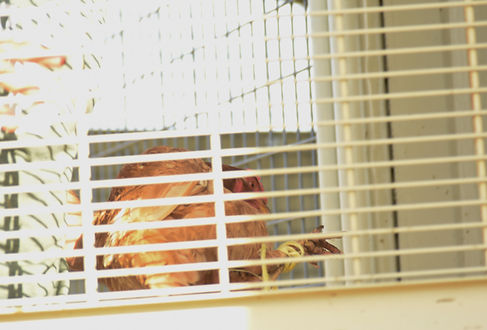
When I asked about the chickens in the back—and confessed my long-lost childhood love for them—she warmly invited me to spend as much time with them as I wanted. The hens had only arrived a few days earlier after being purchased from a commercial egg facility. Once their peak production had passed, she bought them from the company to resell. Some would become backyard egg layers. Others would eventually be raised for meat. At least, she said, they got the chance to stretch their wings first. For many of them, that little 10-by-5-foot pen would become the fullest expression of freedom they would ever know.
The hens regarded me with quiet caution. They didn't ask me to leave, but they seemed to request that, if I stayed, I do so respectfully. After all, the only time people usually entered their pen was to grab one or two by their feet and carry them away toward their final destination.
Their sparse feathers and trimmed beaks carried the quiet weight of lives shaped by exploitation. I left only beginning to process what I had witnessed.
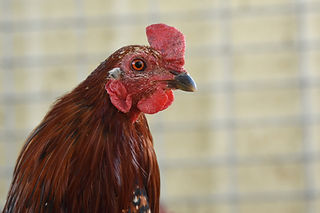
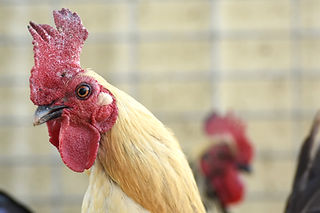
The store owner also told me about the roosters. They, too, would eventually be sold—sometimes for meat, sometimes for fighting. They had been brought to her by people who no longer wanted them. Rather than abandoning them and not getting any compensation, they could sell to her for a small purchase price.
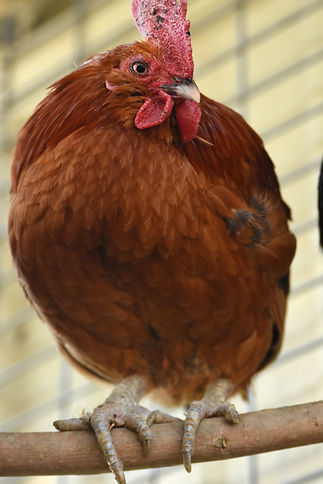
I entered their enclosure unsure of what to expect, knowing roosters can become defensive when they feel threatened. Protecting their flock is, after all, a noble part of who they are. Instead, they greeted me with brave curiosity. Once they seemed satisfied that I was simply there to observe, they returned to strutting about as though delighted to have an audience.
I remember thinking how remarkable it was that within their tiny 10-by-5-foot enclosure, there wasn't a single fight or even an aggravated gesture between them. It made me wonder how much of the aggression we associate with roosters is actually a human-made spectacle.
One, in particular, had a completely blackened eye. I found him impossibly endearing. This was before I had chickens of my own, and I remember wondering just how difficult it would be to sneak him past the landlord at my apartment complex. I imagined I'd manifest a yard in time to come back and adopt a few. By the time I returned the following year, the feed store had closed.
I still think about that elderly woman and her pet chicken. And I still think about every bird I photographed there, knowing each one has since met an unceremonious end. So I find myself returning to the same question.
What does that say about us?